Blogs

Waldorf-Inspired Learning in French Preschools: A Parent Guide

Choosing the right preschool is an important decision for every family. Parents want an environment where their children can feel safe, explore their creativity, develop confidence, and build the skills needed for future learning. While traditional education often focuses mainly on academic preparation, many families are now looking for approaches that support the complete development of their child.

A French Preschool Bay Area program that follows a Waldorf-inspired approach combines language learning, creativity, imagination, and hands-on experiences to create a meaningful early childhood education experience. This approach allows children to learn naturally while developing social, emotional, and cognitive skills.

Waldorf-inspired education focuses on understanding each child’s individual learning pace and creating opportunities for discovery through play, creativity, and exploration.

Understanding Waldorf-Inspired Early Childhood Learning

Waldorf-Inspired Early Childhood Learning is an educational approach that focuses on nurturing the whole child. Instead of rushing children into structured academics, this method encourages creativity, curiosity, and confidence through meaningful experiences.

The philosophy recognizes that young children learn best when they are actively engaged with their environment. Activities are designed to support imagination, independence, and natural development.

A Waldorf-inspired preschool environment often includes:

  • Creative arts and crafts
  • Storytelling and music
  • Imaginative play
  • Outdoor exploration
  • Hands-on activities
  • Natural learning materials

These experiences help children develop important skills while enjoying the learning process.

Focus on Creativity and Imagination

Creativity plays a major role in early childhood development. Children naturally learn by imagining, creating, and experimenting with new ideas.

A Creative Learning Preschool Curriculum encourages children to express themselves through different forms of creativity, including painting, storytelling, music, movement, and artistic projects.

Creative activities help children develop:

  • Problem-solving skills
  • Self-expression
  • Confidence
  • Fine motor abilities
  • Emotional awareness

For example, when children create artwork, they are not only making something visually interesting they are learning how to make decisions, communicate ideas, and explore their imagination.

This type of learning builds confidence because children feel proud of their creations and understand that their ideas have value.

Child-Centered Learning Approach

One of the most important parts of Waldorf-inspired education is focusing on the needs of each child. Every child develops differently, and a child-centered approach allows teachers to support individual learning styles.

In a nurturing preschool environment, teachers observe children’s interests and create activities that encourage exploration and growth.

A French Immersion Preschool for Toddlers can combine this approach with language learning by introducing French through daily interactions, songs, stories, and classroom activities.

Children learn naturally because they are not pressured to memorize information. Instead, they experience the language through enjoyable and meaningful activities.

Nature Exploration and Outdoor Learning

Nature plays an important role in Waldorf-inspired education. Many programs include outdoor experiences that allow children to connect with the environment and learn through discovery.

Nature-Based Early Childhood Education encourages children to explore plants, seasons, animals, and natural materials while developing curiosity and observation skills.

Outdoor learning activities may include:

  • Gardening
  • Nature walks
  • Outdoor creative projects
  • Exploring natural objects
  • Seasonal activities

These experiences help children develop independence, physical coordination, and problem-solving skills.

Spending time outdoors also gives children opportunities to slow down, observe, and appreciate the world around them.

Hands-On Learning Experiences

Young children learn best when they can actively participate. Instead of only listening to instructions, they benefit from experiences where they can touch, create, build, and explore.

Hands-on Learning Preschool Programs allow children to understand concepts through real-world experiences.

Examples of hands-on activities include:

  • Building projects
  • Cooking activities
  • Science exploration
  • Sensory play
  • Creative experiments

These activities support cognitive development while making learning more enjoyable.

Hands-on experiences also encourage children to become independent learners who enjoy discovering new things.

Supporting Emotional and Social Development

A major benefit of Waldorf-inspired education is its focus on emotional and social growth. Preschool is a time when children learn how to communicate, cooperate, and build relationships.

Through group activities and play, children develop important social skills such as:

  • Sharing
  • Teamwork
  • Listening
  • Expressing emotions
  • Respecting others

Preschool Confidence-Building Activities help children become comfortable participating in classroom experiences and trying new challenges.

When children feel supported by teachers and classmates, they develop a stronger sense of confidence and independence.

The Role of Play in Waldorf-Inspired Preschool

Play is an essential part of childhood learning. Through Play-Based Preschool Programs, children develop skills while engaging in activities that feel natural and enjoyable.

Imaginative play allows children to create stories, solve problems, and practice communication. Group games teach cooperation, while creative play encourages curiosity.

Play-based learning supports:

  • Language development
  • Social interaction
  • Creativity
  • Emotional growth
  • Problem-solving abilities

A balanced preschool environment combines play with meaningful learning opportunities.

Why Families Choose Waldorf-Inspired French Preschools

Many families choose a Waldorf-inspired French preschool because it provides a balanced approach to education. Children can develop language skills while also exploring creativity, nature, and social learning.

For parents searching for a Preschool Near Silicon Valley, programs that combine French immersion with child-centered education offer a unique opportunity for early development.

Families looking for a Preschool in Saratoga California often value programs that provide:

  • A nurturing environment
  • Experienced educators
  • Creative learning opportunities
  • Language development
  • Individual attention

The right preschool should help children feel confident, curious, and excited about learning.

Conclusion

Waldorf-inspired learning provides children with an educational experience focused on creativity, exploration, and personal growth. By combining imagination, nature, hands-on activities, and language learning, French preschools create an environment where children can thrive.

A quality early education program helps children build confidence, develop social skills, and create a strong foundation for future success.

For families exploring preschool options, a Waldorf-inspired French preschool can provide a meaningful and supportive beginning to their child’s learning journey.

FAQs

1. What is Waldorf-inspired preschool education?

Waldorf-inspired preschool education focuses on creativity, imagination, nature exploration, and learning through meaningful experiences rather than only structured academics.

2. How does Waldorf-inspired learning benefit preschool children?

It supports creativity, confidence, independence, social skills, and emotional development through child-centered activities.

3. Is Waldorf-inspired learning suitable for toddlers?

Yes, this approach is designed to support young children by allowing them to learn through play, exploration, and hands-on experiences.

4. How does French immersion work in preschool?

French immersion introduces children to the French language through daily conversations, songs, stories, and interactive classroom activities.

5. What activities are included in Waldorf-inspired French preschools?

Activities may include arts, storytelling, music, outdoor exploration, sensory activities, and creative projects.

Best Activities Offered at French Preschools in the Bay Area

Choosing a preschool is not only about finding a place where children spend their day—it is about finding an environment where they can explore, create, communicate, and develop important life skills. The best early learning programs provide activities that support children’s emotional, social, physical, and cognitive growth.

For families searching for a French Preschool Bay Area, activity-based learning offers a unique experience where children learn through creativity, exploration, and interaction. French preschools combine language learning with engaging activities that make education enjoyable and meaningful.

From arts and crafts to outdoor exploration and storytelling, these activities help children build confidence while developing a strong foundation for future learning.

Creative Learning Activities That Encourage Imagination

Young children naturally learn through creativity. Activities that allow children to express themselves help improve problem-solving skills, imagination, and confidence.

A Creative Learning Preschool Curriculum focuses on providing opportunities for children to explore different forms of expression through art, music, movement, and hands-on projects.

Arts and Crafts Projects

Arts and crafts are an important part of preschool learning because they allow children to create while developing fine motor skills.

Activities such as painting, drawing, cutting, and building projects help children practice:

  • Hand-eye coordination
  • Creativity
  • Focus and patience
  • Self-expression

In a French immersion environment, children can also learn new vocabulary related to colors, shapes, materials, and creative processes while completing their projects.

These activities encourage children to share their ideas and feel proud of their accomplishments.

Music and Movement Activities

Music plays an important role in early childhood development. Singing songs, dancing, and movement activities help children improve coordination, rhythm, and communication skills.

French preschools often use songs and music to introduce children to the French language naturally. Children can learn new words and expressions while participating in fun activities.

Music and movement also support emotional development by allowing children to express feelings and build confidence in a group setting.

Outdoor and Nature Activities for Young Learners

Many parents value programs that allow children to learn beyond the classroom. Nature-Based Early Childhood Education encourages children to explore their surroundings while developing curiosity and independence.

Outdoor activities provide children with opportunities to observe, discover, and interact with nature.

Gardening and Exploration

Gardening activities teach children about plants, seasons, and the environment. Simple experiences such as planting seeds, caring for plants, and observing nature help children develop responsibility and patience.

Outdoor exploration encourages children to:

  • Ask questions
  • Discover new things
  • Develop observation skills
  • Connect with the natural world

These experiences support a child’s overall development while creating meaningful learning moments.

Sensory Learning Experiences

Sensory activities allow children to learn through touch, sight, sound, and movement. These experiences help children understand the world around them in a hands-on way.

Examples of sensory learning include:

  • Exploring natural materials
  • Sand and water activities
  • Texture-based projects
  • Outdoor discovery games

These activities support creativity, problem-solving, and cognitive development while keeping children engaged.

Language Development Activities in French Preschools

One of the biggest benefits of French preschool programs is the opportunity for children to develop language skills through everyday experiences.

A French Immersion Preschool for Toddlers introduces French naturally through conversations, songs, stories, and classroom interactions.

Children do not need previous French experience. They learn by listening, participating, and communicating with teachers and classmates.

French Storytelling and Songs

Storytelling is a powerful learning tool because it helps children develop vocabulary, imagination, and listening skills.

French stories allow children to hear the language in context while learning about characters, ideas, and emotions.

Songs also make language learning enjoyable. Repetition through music helps children remember words and phrases naturally.

Conversation-Based Learning

Daily conversations help children become comfortable using French in real situations. Teachers encourage children to communicate during activities, group discussions, and playtime.

This approach supports:

  • Language confidence
  • Social interaction
  • Communication skills
  • Cultural awareness

Bilingual learning environments help children become more comfortable with different languages and perspectives.

Hands-On Learning for Preschool Development

Children learn best when they can actively participate. Hands-on Learning Preschool Programs provide experiences where children can explore concepts through real activities.

Instead of simply receiving information, children discover ideas by creating, experimenting, and interacting with their environment.

Hands-on activities may include:

  • Building projects
  • Science exploration
  • Cooking activities
  • Creative experiments
  • Interactive games

These experiences help children develop independence and problem-solving abilities.

Play-Based Learning and Child Development

Play is an essential part of childhood learning. Through Play-Based Preschool Programs, children develop important skills while participating in activities they naturally enjoy.

During play, children learn how to:

  • Work with others
  • Share ideas
  • Solve problems
  • Express emotions
  • Build friendships

Play-based learning creates a balanced environment where children can enjoy learning while developing important social and emotional skills.

Supporting Confidence Through Preschool Activities

Every child develops at their own pace. A supportive preschool environment helps children feel comfortable exploring new experiences.

Preschool Confidence-Building Activities encourage children to participate, make decisions, and celebrate their achievements.

Activities such as group projects, presentations, creative work, and teamwork help children develop independence and self-confidence.

A positive learning environment allows children to feel capable and excited about discovering new things.

Choosing the Right Preschool in the Bay Area

Parents looking for a Preschool Near Silicon Valley often want a program that combines quality education with creativity, language learning, and personal attention.

For families considering a Preschool in Saratoga California, it is important to look for a school that provides:

  • Experienced educators
  • Engaging activities
  • Supportive classrooms
  • A child-centered approach
  • Opportunities for exploration

The right preschool should help children feel safe, valued, and excited to learn.

Conclusion

The activities offered at French preschools play an important role in shaping children’s early experiences. Through creative projects, outdoor exploration, language activities, and hands-on learning, children develop skills that support their future success.

A quality French preschool combines education with exploration, helping children grow in confidence while discovering the joy of learning.

For families searching for a French Preschool Bay Area, choosing a program with engaging activities and a nurturing environment can provide children with a strong foundation during their most important early years.

FAQs

1. What activities are included in French preschool programs?

French preschool programs may include arts and crafts, music, storytelling, outdoor exploration, sensory activities, and interactive learning experiences.

2. Are French preschool activities suitable for toddlers?

Yes, activities are designed according to children’s developmental stages and encourage learning through play and exploration.

3. How do creative activities help preschool children?

Creative activities improve imagination, confidence, fine motor skills, communication, and problem-solving abilities.

4. Why is outdoor learning important for preschoolers?

Outdoor learning helps children develop curiosity, physical skills, independence, and a connection with nature.

5. How does French immersion support language development?

French immersion allows children to learn language naturally through daily conversations, songs, stories, and classroom activities.

Preschool Enrollment Guide: Joining a French Preschool in the Bay Area

Choosing the right preschool is an exciting but sometimes overwhelming decision for parents. The early years of a child’s life are filled with important developmental milestones, and the right learning environment can help children build confidence, independence, communication skills, and a lifelong love for learning.

For families exploring preschool options, a French immersion program offers a unique opportunity to combine language development, creativity, social growth, and hands-on experiences. Many parents searching for a French Preschool Bay Area program want an environment where their child can learn naturally while feeling supported and encouraged.

This guide will help parents understand when to start looking for preschool, what to expect during enrollment, and how to prepare children for a positive first experience.

When Should Parents Start Looking for Preschool?

Many parents begin researching preschool options months before they plan to enroll their child. Starting early gives families enough time to explore different programs, visit classrooms, understand teaching approaches, and choose an environment that matches their child’s needs.

Preschool is not only about preparing children academically. It is also about helping them develop social skills, independence, emotional confidence, and curiosity.

When looking for the right preschool, parents should consider:

  • Teaching philosophy
  • Classroom environment
  • Teacher experience
  • Daily activities
  • Language programs
  • Learning approach

A quality preschool should create a welcoming space where children feel comfortable exploring and learning.

Choosing the Right Age to Start French Immersion Preschool

The preschool years are an ideal time for children to begin learning another language. Young children naturally absorb new sounds, words, and communication patterns through daily interactions.

A French Immersion Preschool for Toddlers introduces children to French through conversations, songs, storytelling, games, and creative activities. Children do not need previous French knowledge because they learn through exposure and participation.

Starting early allows children to become familiar with the language naturally while developing important communication skills.

A French immersion environment can support:

  • Language development
  • Listening skills
  • Confidence in communication
  • Cultural awareness
  • Social interaction

The goal is not only learning French but creating a positive relationship with learning.

Planning Ahead for Preschool Enrollment

Every preschool has its own enrollment process, schedule, and requirements. Planning ahead allows parents to understand available options and make informed decisions.

Families should research:

Program Schedule

Understanding daily routines, school hours, and learning activities helps parents choose a program that fits their family’s needs.

Curriculum Approach

Different preschools follow different educational philosophies. Some focus on structured academics, while others emphasize creativity, exploration, and child-led learning.

Many parents prefer programs that combine language learning with interactive experiences, such as Hands-on Learning Preschool Programs.

These programs allow children to learn through:

  • Art projects
  • Music activities
  • Outdoor exploration
  • Sensory experiences
  • Creative play

What to Expect During the Admission Process

The preschool admission process is designed to help families learn more about the school and determine whether it is the right fit.

Most enrollment journeys include:

  • Completing an application
  • Sharing child information
  • Scheduling a school visit
  • Meeting teachers
  • Learning about programs and schedules

A school visit is especially helpful because parents can see the classroom environment and understand how teachers interact with children.

During a visit, parents may want to ask:

  • How does the school support new students?
  • What activities are included each day?
  • How are children encouraged to participate?
  • What language learning methods are used?

Understanding the Preschool Learning Environment

A child’s learning environment plays an important role in their development. The best preschool programs provide a balance between structured activities and opportunities for exploration.

Many modern early education programs focus on Nature-Based Early Childhood Education, where children learn through outdoor experiences and discovery.

Nature-based activities encourage children to:

  • Explore their surroundings
  • Develop curiosity
  • Improve coordination
  • Build confidence

Outdoor learning gives children opportunities to experience the world beyond the classroom while developing important life skills.

Preparing Your Child for Preschool

Starting preschool is a big transition for children. Preparing them before their first day can help create a smoother and more positive experience.

Parents can support this transition by encouraging independence at home.

Simple activities include:

  • Allowing children to make small choices
  • Practicing putting away toys
  • Encouraging communication
  • Following simple routines

These activities help children feel more confident when entering a new environment.

Building Independence Through Creative Learning

Preschool is a time when children begin discovering their interests and abilities. Creative experiences allow children to express themselves while developing important skills.

A Creative Learning Preschool Curriculum includes activities that encourage imagination, problem-solving, and self-expression.

Examples include:

  • Drawing and painting
  • Storytelling
  • Music and movement
  • Building activities
  • Imaginative play

Creative learning helps children understand that learning can be enjoyable and exciting.

The Importance of Play-Based Learning

Play is one of the most effective ways young children learn. Through Play-Based Preschool Programs, children develop social, emotional, and cognitive skills while participating in activities they enjoy.

Through play, children learn how to:

  • Communicate with others
  • Share and cooperate
  • Solve problems
  • Express emotions
  • Develop creativity

A play-based environment allows children to learn at their own pace while building confidence.

Supporting Confidence Before Kindergarten

A strong preschool experience helps children develop skills needed for future academic success.

Preschool Confidence-Building Activities encourage children to participate, communicate, and take responsibility for their learning.

Activities such as group discussions, creative projects, and teamwork help children feel comfortable trying new things.

For families considering a Preschool in Saratoga California, choosing a program that supports confidence, creativity, and independence can provide children with a strong foundation.

Finding the Right Preschool Near Silicon Valley

Families searching for a Preschool Near Silicon Valley often look for programs that combine quality education with a caring environment.

The right preschool should offer:

  • Experienced educators
  • Supportive classrooms
  • Engaging activities
  • Strong communication with families
  • Opportunities for creativity and exploration

Choosing a preschool is about finding a place where children feel safe, valued, and excited to learn.

Conclusion

Preschool enrollment is an important step in every child’s educational journey. A thoughtful preschool choice can help children develop confidence, communication skills, creativity, and independence.

A French immersion preschool provides children with more than language learning; it creates opportunities to explore, connect, and grow.

By understanding the enrollment process and choosing a supportive learning environment, parents can give their children a positive beginning that prepares them for future success.

FAQs

1. What is the best age to start French immersion preschool?

Many children begin French immersion preschool between ages 2-5 because early childhood is an ideal time for language development.

2. Do children need to speak French before joining?

No. Most French immersion programs welcome beginners and help children learn through daily activities and interactions.

3. How can parents prepare children for preschool?

Parents can prepare children by encouraging independence, practicing routines, and discussing positive experiences about school.

4. What activities are included in French preschool programs?

Programs may include language activities, arts, music, outdoor exploration, creative projects, and interactive learning experiences.

5. Why choose a play-based preschool program?

Play-based learning helps children develop communication skills, creativity, confidence, and social abilities through enjoyable experiences.

Top Benefits of Choosing a French Preschool in the Bay Area

Choosing the right preschool is one of the most meaningful decisions parents make for their children. The early years of childhood create the foundation for future learning, communication, confidence, and social development. Parents are not only looking for a place where their children can learn letters and numbers, they want an environment where children feel supported, inspired, and excited to explore.

A French preschool offers a unique educational experience by combining language learning, creativity, cultural exposure, and child-centered development. For families searching for a French Preschool Bay Area, French immersion programs provide an opportunity for children to learn naturally while developing important skills through engaging activities.

From language development to creative exploration, French preschool programs help children grow academically, socially, and emotionally.

Early French Language Development for Young Learners

Children have an incredible ability to learn languages during their early years. Their brains naturally absorb new sounds, words, and communication patterns through everyday experiences. This makes preschool an ideal time to introduce a second language.

A French Immersion Preschool for Toddlers creates a learning environment where children experience French through daily conversations, songs, stories, games, and classroom interactions.

Instead of treating French as a separate subject, immersion programs make the language part of the child’s daily routine. This allows children to become familiar with vocabulary and pronunciation in a comfortable and enjoyable way.

How Language Immersion Builds Communication Skills

Learning another language at an early age can support:

  • Better listening skills
  • Improved communication abilities
  • Greater confidence when expressing ideas
  • Cultural awareness
  • Stronger problem-solving skills

Children learn by participating, asking questions, and interacting with teachers and classmates. This creates a positive relationship with learning and encourages curiosity.

Supporting Social and Emotional Growth

Preschool is about much more than academics. It is also a time when children learn how to build relationships, express emotions, and develop independence.

A quality preschool environment focuses on helping children feel safe and valued. Through group activities, classroom routines, and creative experiences, children learn important social skills that prepare them for future education.

Building Confidence Through Daily Experiences

Preschool Confidence-Building Activities help children become comfortable trying new things and expressing themselves.

Simple activities such as sharing ideas during group discussions, completing creative projects, and participating in classroom activities help children develop independence and self-confidence.

When children receive encouragement from teachers, they become more willing to explore, ask questions, and take on new challenges.

Learning Through Collaboration

Working with classmates teaches children valuable skills such as teamwork, patience, and communication. Group activities encourage children to listen to others, share responsibilities, and solve problems together.

These early social experiences help children develop positive relationships and emotional awareness.

Hands-On Learning Encourages Creativity and Exploration

Young children learn best when they can actively participate in the learning process. Instead of only listening, they benefit from opportunities to touch, create, explore, and experiment.

Hands-on Learning Preschool Programs allow children to discover new concepts through meaningful experiences.

Activities may include:

  • Arts and crafts
  • Sensory exploration
  • Outdoor activities
  • Music and movement
  • Creative projects
  • Nature discovery

These activities support cognitive development while helping children build fine motor skills, creativity, and problem-solving abilities.

The Role of Nature in Early Childhood Education

Many modern preschool programs focus on connecting children with the natural world. Nature-Based Early Childhood Education encourages children to explore their surroundings and learn through observation and discovery.

Outdoor experiences help children develop curiosity while improving physical coordination and confidence. Activities such as gardening, exploring natural materials, and outdoor play allow children to learn in a relaxed and engaging environment.

Nature-based learning also supports creativity because children are encouraged to ask questions, investigate, and discover new ideas.

Creative Curriculum for Whole-Child Development

A strong preschool curriculum should support every area of development, including language, creativity, social skills, and emotional growth.

A Creative Learning Preschool Curriculum combines structured learning with opportunities for imagination and exploration.

Through art, storytelling, music, and interactive activities, children learn how to express themselves and develop new skills. Creativity helps children become confident thinkers who enjoy discovering new possibilities.

Waldorf-Inspired Learning and Child-Centered Education

Some French preschool programs incorporate Waldorf-Inspired Early Childhood Learning, which focuses on creativity, imagination, natural exploration, and learning at a child’s own pace.

This approach values:

  • Imaginative play
  • Artistic activities
  • Natural materials
  • Storytelling
  • Meaningful routines

Rather than rushing children through academic concepts, Waldorf-inspired education encourages children to develop curiosity and confidence through exploration.

Preparing Children for Future Success

A strong preschool experience helps children develop skills they will use throughout their education journey.

Through language learning, creative activities, and social experiences, children develop:

  • Communication skills
  • Independence
  • Confidence
  • Problem-solving abilities
  • Classroom readiness

Many families searching for a Preschool Near Silicon Valley look for programs that combine innovative education with a caring and supportive environment.

For families looking for a Preschool in Saratoga California, choosing a program that focuses on language development, creativity, and hands-on learning can provide children with a strong start.

Conclusion

Choosing a French preschool provides children with an opportunity to learn, explore, and grow in a supportive environment. French immersion programs combine language development with creativity, social learning, and meaningful experiences.

From bilingual education to nature exploration and hands-on activities, these programs help children develop confidence and curiosity during their most important early years.

For parents searching for a French preschool option, finding a program that supports the whole child can create a positive foundation for lifelong learning.

FAQs

1. What are the benefits of a French immersion preschool for toddlers?

French immersion preschool helps toddlers develop language skills, communication abilities, confidence, and cultural awareness through daily exposure to French.

2. Is bilingual preschool suitable for children ages 2-5?

Yes, early childhood is an excellent time for children to learn multiple languages naturally through conversations, activities, and play.

3. How does hands-on learning help preschool children?

Hands-on learning encourages creativity, problem-solving, independence, and deeper understanding through real experiences.

4. Why is nature-based learning important for preschoolers?

Nature-based learning supports curiosity, physical development, creativity, and exploration through outdoor experiences.

5. How does play-based learning support child development?

Play-based learning helps children develop social skills, emotional awareness, communication, and confidence through enjoyable activities.

French Preschool Bay Area: A Parent’s Guide to Choosing the Right Early Learning Program

Choosing the right preschool is an important milestone for every family. During the early years, children develop essential skills that shape their confidence, communication, creativity, and approach to learning. Parents today are looking for programs that provide more than basic academics; they want an environment where children feel supported, encouraged, and inspired to explore.

For families searching for a French Preschool Bay Area, French immersion education offers a unique learning experience that combines language development, creativity, cultural awareness, and hands-on exploration. These programs help children build a strong foundation while learning in a nurturing and engaging environment.

A high-quality preschool should help children discover the world around them while developing social, emotional, and academic skills. French immersion programs provide children with opportunities to learn naturally through play, conversation, music, storytelling, and creative activities.

Why Choose a French Immersion Preschool for Toddlers?

The early childhood years are one of the best times for language development. Young children have a natural ability to recognize sounds, understand patterns, and learn new languages through daily interactions. A French immersion preschool for toddlers introduces French as part of everyday learning instead of treating it as a separate subject.

Children experience the language through classroom conversations, songs, stories, games, and activities. This creates a comfortable environment where they can develop French skills naturally while building confidence in communication.

French immersion programs also encourage children to become curious learners. Exposure to another language helps children understand different cultures, improve listening skills, and develop stronger problem-solving abilities. The goal is not only language learning but creating well-rounded learners who feel confident expressing themselves.

The Benefits of Bilingual Preschool Programs

Many families choose bilingual preschool programs for ages 2-5 because they support children’s overall development. During these important early years, children are developing vocabulary, social skills, and the ability to understand the world around them.

A bilingual classroom allows children to hear and practice two languages throughout the day. Through conversations, group activities, and interactive lessons, children develop stronger communication skills while enjoying the learning process.

Bilingual education also introduces children to different cultures and traditions. Learning French gives children exposure to new songs, stories, celebrations, and ways of thinking. This creates an inclusive environment where children learn to appreciate diversity from a young age.

Hands-On Learning Helps Children Learn Through Experience

Children learn best when they can actively participate and explore. Traditional learning methods alone may not fully engage young learners, which is why many preschools focus on hands-on learning preschool programs.

Hands-on activities allow children to discover concepts through real experiences. Activities such as painting, gardening, building, sensory exploration, cooking projects, and outdoor discovery encourage creativity and critical thinking.

These experiences help children develop important skills, including:

  • Problem-solving abilities
  • Fine motor coordination
  • Independence
  • Collaboration
  • Creativity and imagination

When children participate in meaningful activities, they become more confident learners who enjoy exploring new ideas.

Nature-Based Early Childhood Education and Outdoor Learning

Children naturally enjoy exploring the world around them. Nature-based early childhood education uses outdoor experiences to support curiosity, creativity, and development.

Outdoor learning allows children to observe plants, explore seasons, interact with natural materials, and develop a deeper connection with their environment. These experiences encourage children to ask questions, make discoveries, and learn through observation.

Nature-based programs also support physical development. Running, climbing, gardening, and outdoor play help children improve coordination while building confidence and independence.

A preschool environment connected with nature provides children with opportunities to slow down, explore, and learn at their own pace.

The Role of Waldorf-Inspired Learning in Preschool Education

Many families are interested in educational approaches that focus on creativity and the whole child. Waldorf-inspired early childhood learning emphasizes imagination, creativity, emotional development, and meaningful experiences.

Instead of focusing only on academic skills, this approach encourages children to learn through storytelling, artistic activities, practical experiences, and exploration.

Waldorf-inspired classrooms often include:

  • Creative art projects
  • Storytelling and music
  • Natural materials and imaginative play
  • Rhythm and daily routines
  • Child-led exploration

This approach helps children develop confidence, independence, and a lifelong love for learning.

How Play-Based Learning Supports Child Development

Play is one of the most important ways children learn. Through play-based preschool programs, children develop skills while engaging in activities that feel natural and enjoyable.

Play allows children to practice communication, cooperation, and problem-solving. Whether children are pretending, building, creating artwork, or participating in group games, they are learning valuable skills.

Play-based learning supports:

Social Development

Children learn how to share, cooperate, communicate, and build friendships.

Emotional Growth

Children learn how to express feelings, manage emotions, and develop confidence.

Creative Thinking

Children use imagination to create ideas and explore possibilities.

A balanced preschool program combines structured activities with opportunities for independent exploration

Creative Curriculum and Confidence-Building Activities

A strong preschool curriculum should encourage children to express themselves and discover their interests. Creative activities such as music, art, storytelling, and movement help children build confidence.

Preschool confidence-building activities allow children to participate, make choices, and celebrate their achievements. When children feel successful, they become more willing to try new things.

Creative learning also supports language development. Children expand vocabulary while discussing artwork, sharing stories, singing songs, and interacting with classmates.

Finding the Right Preschool Near Silicon Valley

Families searching for a preschool near Silicon Valley often want a program that combines innovation with a caring learning environment. The right preschool should provide experienced educators, engaging activities, and a curriculum designed around children’s needs.

When selecting a preschool, parents should consider:

  • Teaching philosophy
  • Classroom environment
  • Teacher experience
  • Learning activities
  • Language programs
  • Opportunities for outdoor exploration

Visiting the preschool and meeting educators can help families understand whether the environment is the right fit for their child.

For families looking for a preschool in Saratoga California, choosing a program that focuses on bilingual learning, creativity, and child development can provide children with a strong start.

Conclusion

A quality preschool experience creates the foundation for lifelong learning. French immersion programs provide children with opportunities to develop language skills, creativity, confidence, and social awareness.

By combining bilingual education, hands-on experiences, nature exploration, Waldorf-inspired methods, and play-based learning, French preschools create an environment where children can grow and thrive.

For parents exploring a French Preschool Bay Area, choosing a program that supports the whole child can help children develop the skills, curiosity, and confidence needed for future success.

FAQs

1. What is a French Preschool Bay Area program?

A French Preschool Bay Area program provides early childhood education where children learn French through daily activities, play, storytelling, music, and interactive experiences.

2. What age is best to start French immersion preschool?

Many French immersion programs welcome children between ages 2-5 because young children naturally develop language skills during this stage.

3. Do children need to know French before joining an immersion preschool?

No. Many programs welcome beginners and help children learn French naturally through daily communication and activities.

4. What activities are included in French preschool programs?

Activities may include arts and crafts, outdoor exploration, music, storytelling, sensory play, and creative learning projects.

5. How does bilingual preschool help children?

Bilingual preschool supports language development, communication skills, cultural awareness, confidence, and cognitive growth.

How to Enroll Your Child in a French Immersion Preschool

The selection of a good preschool for your child involves some careful thought. Parents will seek a preschool that stimulates curiosity and creativity, encourages social-emotional development, and develops language skills. When deciding on a bilingual preschool, you should learn about French immersion preschool to ensure your child has a smooth transition into early education. This guide walks you through the enrollment process, key steps, and tips for families in Saratoga, California and surrounding areas.

Preschool Enrollment in Saratoga, California

For families in Silicon Valley, finding a preschool that matches your educational goals is essential. Preschool enrollment in Saratoga, California It allows children exposure to bilingual programs, interactive classes, and an enabling atmosphere where they can develop academically and socially at an early age.

Early enrollment ensures that your child enjoys preferential access to small classrooms that will allow personal attention from experienced teachers. In addition, parents benefit from flexible class schedules that meet their demands without compromising quality education.

Preschool Registration for Toddlers

The first step in this procedure involves registering your children into preschools. In most cases, the parent will be asked to fill out a registration form that requires details about health, contact details, and proof of age. This helps your child’s name to be entered into the list of pupils so that adequate planning is done.

Make sure that you have everything ready before you go for registration. Immunization cards, identification documents, and previous report cards from other preschools are usually among the items required for registration.

Flexible Scheduling Options for Families

Many preschools understand that families have diverse needs. Flexible preschool scheduling options allow parents to choose part-time, full-time, or mixed schedules, making it easier to balance work and family life. Some programs offer morning-only sessions, while others provide extended childcare until late afternoon.

These flexible arrangements also give children a chance to gradually adjust to the preschool environment, building comfort, confidence, and independence over time. Parents can discuss scheduling needs directly with admissions staff to find the best fit for their child.

Understanding the Admission Process

A preschool’s admission process can seem complex, but breaking it down step by step makes it manageable. Schools typically review applications, conduct parent interviews or tours, and confirm class placements. Understanding the timeline and requirements ensures a smooth enrollment experience.

Preschool Tuition and Enrollment Steps

Preschool tuition and enrollment process includes reviewing program fees, payment schedules, and financial policies. Tuition often covers daily educational activities, meals, snacks, and care until the end of the program day. Parents may pay monthly, quarterly, or annually, depending on the preschool’s policies.

During enrollment, parents may also complete agreements, select optional programs or extracurriculars, and provide emergency contacts. Clear communication with admissions staff helps avoid any delays or misunderstandings.

Kindergarten Enrollment for Preschool Graduates

For families planning ahead, some preschools offer pathways for kindergarten enrollment for preschool graduates. A child that completes an educational experience program will have established a strong literacy and numeracy foundation as well as being socially prepared and able to communicate in two languages.

The preschool will usually assist in giving advice on the enrollment into the local elementary school, suggest a placement test, and assist in the transition process.

Planning Your Preschool Visit and Open House

Visiting the school before enrollment is essential. Scheduling a preschool open house and visit allows parents and children to explore classrooms, meet teachers, and observe daily routines. Open houses provide insight into teaching styles, learning materials, and how the curriculum is implemented.

During visits, parents can ask questions about class sizes, daily schedules, and language immersion programs. Observing a typical day helps families determine if the preschool’s environment matches their child’s needs and personality.

Tips for a Smooth Enrollment

  1. Start early – popular programs in Saratoga, California fill up quickly.
  2. Gather all required documents before registration.
  3. Attend open houses and meet teachers to understand the program fully.
  4. Ask about flexible scheduling and optional enrichment programs.
  5. Keep communication open with the admissions office to address questions promptly.

Conclusion

Enrolling your kid in a French immersion pre-school will be an excellent way to lay a solid foundation for your little one’s future. Once you familiarize yourself with the aspects associated with preschool enrollment for toddlers, learn more about flexible scheduling, tuition and enrollment procedures, and attend the open house, you will help your toddler take his first steps into early childhood education.

If you live in Saratoga, California, and the nearby regions, you should definitely consider enrolling your kids in such programs as they are very beneficial in developing various skills, which come handy in kindergarten and further in life.

FAQs 

Q1: How do I enroll my child in a French immersion preschool?
A1: Start by completing the application, attending a visit or open house, and reviewing tuition and schedule options.

Q2: What age group is eligible for preschool registration?
A2: Most programs accept toddlers aged 2–5 years, providing early learning and bilingual exposure.

Q3: What are flexible scheduling options for preschools?
A3: Programs may offer part-time, full-time, morning-only, or extended care schedules to suit family needs.

Q4: How does the preschool tuition and enrollment process work?
A4: Parents review fees, select a schedule, complete enrollment forms, and provide necessary documentation.

Q5: Can preschool graduates transition smoothly into kindergarten?
A5: Yes, many programs provide guidance for kindergarten enrollment, ensuring children are prepared academically and socially.

Q6: Should I attend an open house before enrolling?
A6: Absolutely. Visiting classrooms, meeting teachers, and observing daily routines helps families choose the right program.

How a French Immersion Preschool Curriculum Shapes Young Minds

Selection of a suitable preschool is one of the biggest challenges that any parent faces when they desire that their child succeeds both academically and socially. The ideal preschool incorporates lessons in language, practical learning, creative skills, and social interaction. A French immersion preschool curriculum provides toddlers with a special chance to learn two languages at once while discovering the world around them via educational activities.

In this blog post, we will discuss how reading and writing skills, creativity activities, social-emotional development, and the mission behind each program shape toddlers into successful learners.

Early Literacy and Kindergarten Prep Programs

Literacy skills are very important as the basis for future success. Preschool literacy programs teach children letters, sounds, and vocabulary development through play-based learning. Through storytelling, phonics, and writing activities, children can learn how to speak and write.

In addition to literacy skills, kindergarten preparatory curriculum School Readiness includes school readiness itself, which means learning how to follow certain procedures, listening to instructions, arithmetic, and language lessons. Incorporation of educational elements into the process of play ensures that a child develops skills necessary for attending kindergarten.

Artistic Expression and Creativity

Creativity plays a vital role in early development. Artistic expression preschool activities Children will be able to experiment with colors, textures, and forms in painting, drawing, and sculpting. This is beneficial for developing fine motor control and allows children to express themselves emotionally without harm.

Art lessons also spark creativity and thinking as they help toddlers gain confidence through the creation and sharing of their artwork. The incorporation of art into the curriculum ensures that children will develop cognitive as well as artistic abilities.

Science Exploration and Physical Coordination

Hands-on exploration fosters curiosity and builds critical thinking. Science exploration preschool programs allow children to investigate the natural world, observe phenomena, and engage in simple experiments. Activities like planting seeds, mixing colors, or observing weather patterns encourage observation, reasoning, and inquiry skills.

In addition to cognitive growth, physical activity is essential. Physical coordination preschool activities like climbing, balancing, and games that involve movements help to hone their motor skills and improve their physical well-being. Science and activities together make sure that the children grow not only intellectually but also physically.

Social Skills and Cultural Awareness

Interacting with peers and adults positively is also very important to learning within preschool. Preschool social skills development curriculum will include teaching about empathy, cooperation, communication, and conflict resolution. Learning about others’ points of view and developing good social skills can be done through group work and role play. 

Language immersion programs may also incorporate the culture of the new language being taught. French culture immersion at preschool level exposes kids to the customs, songs, literature, and food of France. Integrating culture into language learning can help kids learn about diversity and the background of the language.

Mission-Driven Preschool Programs in Silicon Valley

Many high-quality programs are guided by a clear philosophy or mission. Mission-driven preschool programs in Silicon Valley The emphasis is on holistic rather than academic development of the child through an atmosphere that is compatible with the school’s mission. This includes creativity, analytical skills, and love for learning along with bilingualism and multiculturalism.

Similarly, preschools with a mission foster involvement of the community as well as practical application of classroom instruction to real-life situations to raise responsible and empathic individuals.

Why Curriculum Matters in Early Childhood Education

A well-planned curriculum forms the core of the learning process of a child in its early years. With the use of a French immersion preschool curriculum, early literacy curriculum, creative expression, science, motor skills, socialization, and French culture, children are equipped with knowledge and confidence for success in their academic and social lives.

Children who participate in a complete curriculum learn to be curious, independent, creative, and resilient skills that will serve them well throughout their schooling and adult life. The choice of preschools in Silicon Valley offers families an opportunity for academic and social-emotional and cultural growth of the children.

Conclusion

Effective preschool programs develop the whole child by providing language acquisition, early literacy, creativity, discovery in science, physical development, social development, and even cultural development. Preschool programs with well-defined missions give the children confidence, a desire to learn, and curiosity. For those in the Silicon Valley area, choosing a preschool with an emphasis on holistic growth will ensure that their children are ready when it is time for kindergarten and other educational milestones.

FAQs

Q1: What is a French immersion preschool curriculum?
A1: A program that integrates bilingual learning with hands-on, creative, and social-emotional development for toddlers.

Q2: How does early literacy fit into the curriculum?
A2: Early literacy programs for preschoolers teach letters, sounds, and writing skills through engaging and interactive activities.

Q3: What role do arts and creative activities play in preschool?
A3: Artistic expression preschool activities foster imagination, fine motor skills, and self-confidence in young learners.

Q4: How does science exploration help toddlers learn?
A4: Science exploration preschool programs encourage observation, problem-solving, and curiosity through hands-on experiments.

Q5: Why are mission-driven preschool programs important in Silicon Valley?
A5: Mission-driven programs focus on holistic child development, nurturing academic, social, emotional, and cultural growth.

Early Childhood French Immersion Programs: A Complete Guide

Choosing the right preschool program is one of the most important decisions parents make for their young children. A high-quality early education program can lay the foundation for academic success, social-emotional growth, and lifelong learning habits. Early childhood French immersion programs offer toddlers a unique opportunity to learn a second language while exploring the world through hands-on activities, creative play, and structured learning experiences. In this blog, we’ll explore what makes these programs effective and why they are a great choice for families in the Saratoga area.

Hands-On Preschool Activities for Toddlers

Toddlers learn best when they are actively engaged, which is why hands-on preschool activities for toddlers They are an integral element of French immersion programs. Through sensory tables filled with natural elements, through storytelling, and through building activities, kids are stimulated to investigate and play around. Such interactions not only develop motor skills but also encourage exploration and critical thinking.

By manipulating objects, testing hypotheses, and observing results, kids learn more about basic mathematical, scientific, and linguistic concepts. Also, by physically interacting with objects, kids tend to remember things better than when receiving purely theoretical knowledge.

STEM Activities for Preschoolers

Introducing STEM (Science, Technology, Engineering, and Math) concepts at an early age can set children up for long-term success. STEM activities for preschoolers can include experimenting with water and magnets, studying patterns through the use of blocks, or looking at plants and animals in the outdoors environment. Such activities help kids become curious about the world around them and learn how to observe, ask questions, and test their ideas.

At the preschool stage, STEM-related activities help develop problem-solving skills, teamwork, and logical thinking in children. Students who are actively engaged in STEM learning activities from an early age have more confidence in dealing with any challenge.

Preschool Arts and Crafts Programs

Alongside STEM learning, creative expression is a vital part of early childhood education. Preschool arts and crafts programs help children learn how to use their imagination as well as develop their fine motor skills and eye-hand coordination. Painting, sculpting using clay, making collages, and other arts and crafts enable toddlers to express themselves through their feelings and thoughts in a controlled way.

Language skills are developed since the kids will be talking about what they have made and following directions. Using creativity in learning gives children a sense of achievement and discipline.

Music, Movement, and Language Acquisition

Music and dance play an important role in a comprehensive French immersion educational experience. Musical activities not only make studying enjoyable but also help develop language skills in preschool education programs. Songs and games help students acquire new vocabulary and sentences and can even facilitate learning a foreign language in young children.

Physical activities are beneficial for children as well, as they improve their physical abilities and cognitive function. Through songs and dance activities, toddlers can learn a lot and develop socially and emotionally.

Sensory Play and Interactive Learning Programs

In addition to planned and formal classes, the sensory play preschool activities include sensory-based exercises where kids get a chance to explore different sensations, such as texture, sound, and even visuals. This can be accomplished through various activities such as sand play, water tables, and tactile art projects.

The next type of program is the interactive one, whereby children work collaboratively while communicating and playing together. Through this type of program, kids become more socially and emotionally mature because they learn to engage in various group activities and play pretend games.

French Immersion Preschool Near Saratoga: What to Expect

Parents considering a French immersion preschool near Saratoga will be provided with a warm, bilingual learning setting for the young child. The small classes, qualified instructors, and balanced curriculum make it possible for each child to get individualized care as well as work collaboratively in learning. The toddlers will participate in various activities that will help them develop their communication skills, creative and social-emotional abilities, as well as their academic skills.

Preparing Toddlers for Kindergarten Readiness

One of the main objectives of early education programs is to ensure their successful transition to kindergarten. Readiness for kindergarten programs emphasize the development of basic abilities like early reading, writing, directionality, and emotional competence among others.

Through lessons, imaginative activities, and linguistic immersion, children acquire the ability to express themselves effectively, engage in teamwork, and gain confidence in their abilities. Developing the qualities of curiosity and independent thinking makes sure that these young children will be ready for kindergarten.

Conclusion

French immersion programs for early childhood involve language learning together with activities that help toddlers to succeed in their future endeavors. This is done through a variety of hands-on and sensory-rich activities such as STEM-related learning, art and craft activities, music and movement activities, etc. Parents searching for a French immersion preschool around Saratoga will come across French immersion programs that encourage creativity and kindergarten preparedness for toddlers.

FAQs

Q1: What age group is suitable for French immersion preschool?
A1: French immersion programs are ideal for toddlers aged 2–5, supporting language acquisition and holistic early development.

Q2: What are hands-on preschool activities for toddlers?
A2: These include interactive play, arts and crafts, and sensory experiences that enhance cognitive and motor skills.

Q3: How do STEM activities benefit preschoolers?
A3: STEM activities develop problem-solving, observation, and critical thinking skills, while fostering curiosity and confidence.

Q4: What is the role of arts, music, and movement in preschool programs?
A4: Arts and music support creativity, fine motor skills, language development, and social-emotional growth.

Q5: Are there French immersion preschools near Saratoga?
A5: Yes, families in Saratoga and Silicon Valley can find bilingual, hands-on French immersion programs designed for toddlers.

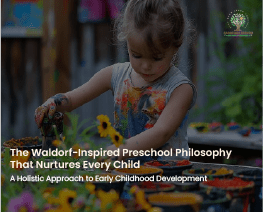
The Waldorf-Inspired Preschool Philosophy That Nurtures Every Child

Choosing the right preschool is more than just selecting a place to care for your child; it’s about finding an environment that fosters creativity, curiosity, and emotional growth. At the heart of many high-quality early learning centers is the Waldorf-inspired preschool philosophy, which emphasizes holistic development, hands-on experiences, and nurturing the whole child. In this blog, we’ll explore how this philosophy shapes early learning and why it matters for toddlers in Santa Clara County.

Child-Centered Learning Programs

One of the cornerstones of the Waldorf approach is child-centered learning programs. In philosophy, the child becomes the focal point of all activities, ensuring that educational exercises are personalized according to his/her personal development needs. As opposed to having a predetermined curriculum to follow, teachers pay close attention to what interests, skills, and emotions each child is experiencing.

A child-centered approach to education involves encouraging children to be curious and creative in exploring the world around them and discovering things through practical experience. Toddlers are left to indulge freely in activities that appeal to them, ranging from block construction, painting and drawing, or listening to stories.

Play-Based Learning Philosophy for Early Learners

Play is not just fun, it’s fundamental to early development. The play-based learning preschool philosophy Understands that young learners acquire knowledge through active participation and play. Playing allows for toddlers to build cognitive, social, and emotional skills.

This can be done through activities such as pretending to be shopkeepers, chefs, and explorers among others. These activities help them to communicate, work with others, and empathize with other people. This is also a good way for kids to engage in experimenting, decision-making, and experiencing consequences.

Preschool Values and Teaching Approach

A preschool’s core values shape its teaching approach. Preschool values and teaching approach Respect, empathy, and the promotion of independence are all stressed in our approach. The teacher serves as an example, demonstrating patience, and helping children navigate social situations as they develop problem-solving skills.

Predictability and consistency in this environment are key elements that ensure security for young learners as they engage with new ideas. Creative activities are structured to be both fun and instructional, with lessons in language, math, and science incorporated. A combination of good values and effective educational strategies results in well-rounded development.

.

Nature Exploration and Creative Expression for Preschoolers

The combination of outdoor activity and creativity plays a major role in Waldorf-based philosophy. Outdoor explorations for preschool children provide them with an opportunity for active learning and developing their awareness of nature. Exploring plants in a garden, looking at various insects, and gathering natural material contributes to the development of curiosity and observation skills.

Besides, preschool creative expression activities give preschoolers the opportunity to express their feelings and thoughts through art, music, and movement. Creative activities like painting using natural materials or singing songs within a group improve fine motor skills and contribute to self-confidence.

Social-Emotional Growth in Early Childhood

Early education is not just about academic readiness it’s also about emotional intelligence. Social-emotional learning in preschool helps toddlers learn to recognize and deal with their emotions, make connections with others, and solve any problems that may arise from conflict. Group activities and projects will enable children to become empathetic and cooperative members of society.

This will make them ready to face future challenges socially and academically. Social-emotional skills are among the factors that can predict success in life. Therefore, social-emotional competence is a crucial element of preschool philosophy.

Bilingual Language Development Programs

Waldorf-influenced pre-schools usually have bilingual language classes wherein students are taught a second language along with their first one. The ability to learn another language is beneficial as it helps develop cognitive flexibility, problem-solving abilities, and improved memory.

Bilingual education may include songs, stories, and practical tasks in learning a second language, thus making learning fun. Along with improving language skills, a bilingual program also increases knowledge about culture and helps broaden the horizon of children.

Why Philosophy Matters for Preschool Success in Santa Clara County

Selecting a preschool with a strong educational philosophy can make a profound difference in your child’s growth. A center that prioritizes holistic development, creativity, and emotional intelligence provides a foundation for lifelong learning.

In Santa Clara County, With regard to families that are looking for quality early childhood education, the Waldorf-style and child-oriented approach guarantees that the children will be engaged, confident, and well-prepared for any future academic and social challenges. In essence, the philosophy seeks to develop the whole child mind, body, and spirit.

Conclusion

Preschool philosophy provides an overall approach to the learning process, interaction, and development of children. Combining the preschool philosophy inspired by Waldorf, child-centered learning approach, play-based learning method, exploration of nature, creative activities, and bilingualism can create an ideal setting for toddler education. For parents living in Santa Clara County, it is necessary to find a preschool that supports the overall development of a child to ensure they become confident, creative, and emotionally intelligent adults.


FAQs

Q1: What is Waldorf-inspired preschool philosophy?
A1: It is an approach to early childhood education that focuses on holistic learning, creativity, and nurturing the whole child.

Q2: How does child-centered learning benefit preschoolers?
A2: Child-centered programs tailor learning to each child’s interests and pace, boosting curiosity, independence, and engagement.

Q3: What is play-based learning in preschool?
A3: Play-based learning uses structured and unstructured play to develop social, emotional, cognitive, and motor skills in toddlers.

Q4: How do nature exploration and creative activities help children?
A4: Nature and creative activities enhance observation skills, imagination, fine motor development, and confidence through hands-on learning.

Q5: Does Waldorf-inspired preschool include language programs?
A5: Yes, many programs incorporate bilingual language development to encourage early communication skills and cultural awareness.

Why French Immersion Preschools Are Perfect for Toddlers

Choosing the right preschool for your toddler can feel overwhelming. With so many options available, parents often wonder which program will truly support their child’s early development, creativity, and confidence. French immersion preschool for toddlers has become an increasingly popular choice for families seeking a well-rounded early education that combines language learning with holistic development. In this blog, we’ll explore the benefits of nature-based learning, hands-on activities, bilingual programs, and more to help you make an informed decision.

Benefits of Nature-Based Early Childhood Education

Natural learning offers several benefits for young children. In nature-based early childhood programs, toddlers have opportunities to investigate the surrounding environment, encouraging them to observe, be curious, and wonder about the world. The interaction with the natural environment helps children improve their fine and gross motor skills along with creativity.

Furthermore, spending time in nature keeps toddlers physically and emotionally healthy. They become more resilient, cooperative, and attentive when exposed to the natural environment. Nature offers many chances for children to engage in learning, asking questions and solving problems.

How Hands-On Learning Enhances Cognitive Development

One of the hallmarks of a successful preschool program is hands-on learning preschool programs. By engaging in activities that require manipulation, experimentation, and exploration, toddlers develop critical thinking and problem-solving skills. Whether it’s building blocks, sensory tables, or art projects, hands-on learning encourages curiosity and allows children to connect concepts to real-world experiences.

Cognitive growth is further supported when children can experiment and see immediate results from their actions. This type of experiential learning helps toddlers retain knowledge more effectively than passive observation alone.

Creative Learning Preschool Curriculum for Young Minds

A creative learning preschool curriculum ensures that children are constantly challenged and inspired. Activities like music, art, storytelling, and role-playing encourage imagination, self-expression, and social interaction. Such programs often integrate multiple domains of learning, including language, math, science, and social-emotional skills, so toddlers grow in a balanced and engaging way.

Creative learning also cultivates confidence. When children see their ideas come to life through art or collaborative projects, they develop a sense of accomplishment that encourages them to take on new challenges.

Bilingual Preschool Programs for Ages 2–5

Bilingual education plays a significant role in the life of children. Bilingual preschool for children aged 2-5 years offers them the opportunity to learn a new language during their cognitive development. Bilingualism will help improve communication skills, memory, and develop intercultural sensitivity.

French immersion is particularly valuable as it helps toddlers acquire vocabulary in a fun, engaging manner through stories, songs, games, and activities, along with developing social-emotional competencies when working with others in two languages.

Building Confidence Through Language Acquisition

Language and self-confidence go hand in hand. If children are able to express themselves using more than one language, they will definitely gain the ability to become competent and independent. If a preschool curriculum strikes a balance between boosting the confidence of toddlers and teaching them how to use the language effectively, the shy ones will definitely get involved.

This confidence will eventually translate to school success and other areas of life.

Choosing the Right Preschool in Saratoga and Silicon Valley

Selecting a preschool is more than just checking boxes; it’s about finding a program that aligns with your child’s personality, your family’s values, and your learning goals. For parents in California, options like preschool in Saratoga California or those that are close by in Silicon Valley provide access to innovative and environmentally centered, and dual-language classrooms.

In looking at preschools, look at the philosophy of the preschool, the teacher-student ratio, how the curriculum is structured, and the balance of play vs. academic learning. Preschools based on the Waldorf early-childhood learning philosophy value creativity, independence, and holistic development.

Play-Based Preschool Programs: What Parents Should Know

In a quality preschool play program, there are opportunities for children to explore and learn through play, which comes naturally to toddlers. In addition, play fosters cooperation, problem-solving, and even empathy. Moreover, the cognitive, social, and emotional aspects of the child’s development are harmoniously integrated in a play-based approach, helping him adapt easily to the kindergarten setting.

Selecting a good preschool, where playing and learning are encouraged alongside a second language, will ensure that your child is ready in all respects for kindergarten and beyond.

Conclusion

Language lessons, practical learning, and overall development can be achieved through French immersion preschools aimed at toddlers. There are a variety of educational institutions providing various educational programs ranging from nature-based preschool education to bilingualism programs which help toddlers not only to develop academically but socially as well.

When searching for a school to send your toddler to whether it be a preschool near Silicon Valley or a preschool in Saratoga California, choose one that offers both learning and play opportunities for your child. By choosing such programs you will ensure the success of your toddler both academically and personally.

FAQs 

Q1: What age group is best suited for French immersion preschools?
A1: French immersion preschools are ideal for toddlers ages 2 to 5, providing early language acquisition and holistic development.

Q2: How does nature-based early childhood education benefit toddlers?
A2: Nature-based learning encourages exploration, creativity, and physical development, helping toddlers build confidence and problem-solving skills.

Q3: What are hands-on learning preschool programs?
A3: These programs use interactive activities such as art, music, and building projects to help children learn by doing, enhancing cognitive and motor skills.

Q4: Are play-based preschool programs effective for early learning?
A4: Yes, play-based programs foster social, emotional, and academic growth while allowing children to explore and develop at their own pace.

Q5: Why choose a preschool in Saratoga, California or near Silicon Valley?
A5: Preschools in Saratoga and Silicon Valley often offer innovative curricula, bilingual programs, and a nurturing environment for toddlers, preparing them for lifelong learning.